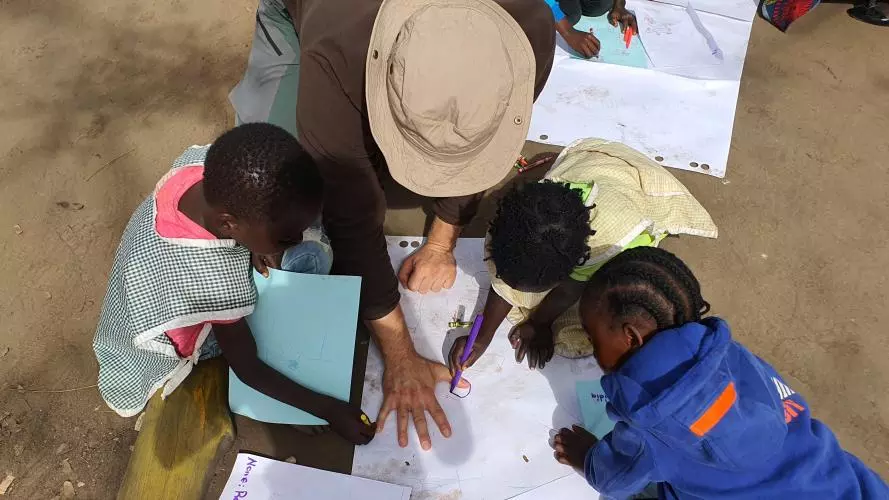
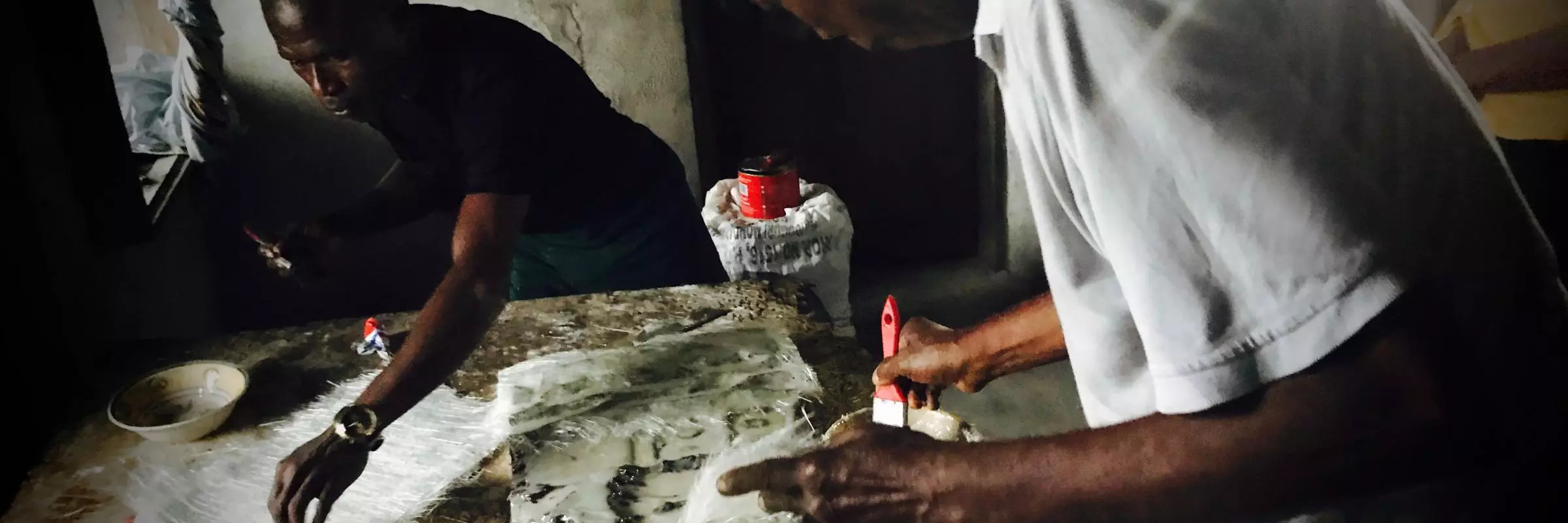
Tackling real world problems

Our research tackles contemporary problems that do not respect conventional disciplinary boundaries. Our collaborative approach involves departments across the University and institutions around the world.

Research integrity is at our core and our work is guided by ethical frameworks and processes. Our commitment to diverse methods to help sustain our vibrant research culture.  

View all Current Research Projects

Research Projects Spotlight

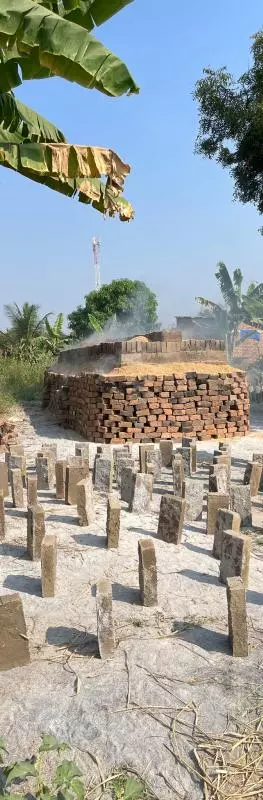
Bricks standing upright drying in the sun

Transforming the Humble Brick

Investigating how traditional earthen bricks can be used to help protect people against mosquito-borne diseases.
covid protests london

The Violent Extremism Lab

Understanding the psychology that leads to self-sacrificial violence 
disobedient buildings logo same

Disobedient Buildings

Exploring everyday lived experiences of inhabitants of ageing tower blocks in the UK, Romania and Norway.
cattle grazing by a flooded river with palm trees in background

Transboundary Resource Management

Climate change and resource scarcity threaten the well-being of millions of people around the world
ethno ornithology logo

The Ethno-ornithology World Atlas

A space for community-curated bird and ecological knowledge.
Histories of Oxford Anthropology Project logo

Histories of Oxford Anthropology Project

A student-led re-evaluation of the ‘hidden histories' of the department and what is relevant to it.


Postdoctoral Research In Focus  

Dr Arran Davis: exploring the relationship between poverty, loneliness, and a defensive symptom cluster

To play the video, you need to accept cookies for videos.

Evolutionary anthropologist Dr Arran Davis is interested in how social relationships affect human behaviour, health, and well-being. Here he describes recent work using the European Social Survey (around 25,000 responses from 20 countries) to examine how a defensive symptom cluster, characterized by pain, fatigue, and low mood, varies according to individuals’ social connections and socioeconomic status.

He found that this symptom cluster was more prevalent in lonely individuals, with particularly strong associations for individuals who were both lonely and experiencing poverty. He also found that people living on low incomes were especially at risk for feeling lonely. These findings highlight the important connections between human sociality, economic inequality, and health and will form the basis for future research projects.

Research News

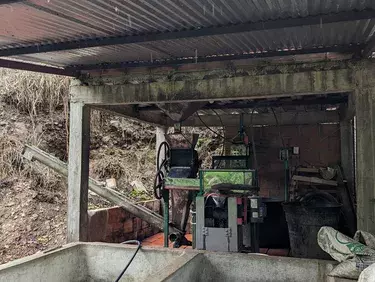
A roofed beneficiadero, where harvested coffee cherries are brought for processing, at the Bellavista farm, in a vereda (rural district) of the municipality of Arboledas, Norte de Santander. In the foreground are two cement fosas (basins); in the backgrou

A tale of two crops: New research into disease stigma in Colombia's borderlands

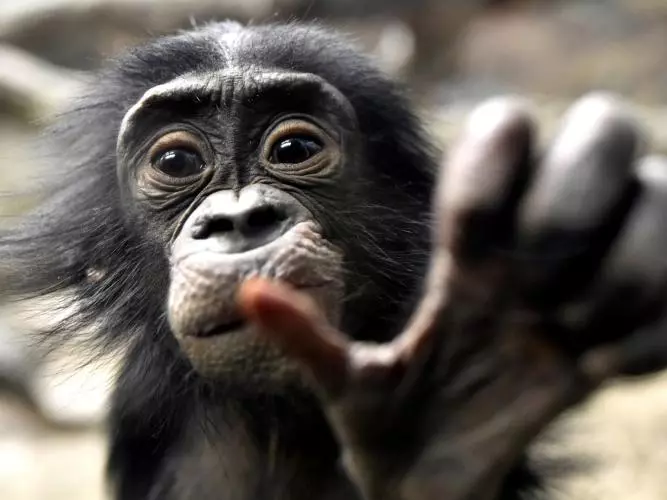
bonobo baby cjeff mccurry getty images via canva com

Why is almost everyone right-handed? The answer may lie in how we learned to walk

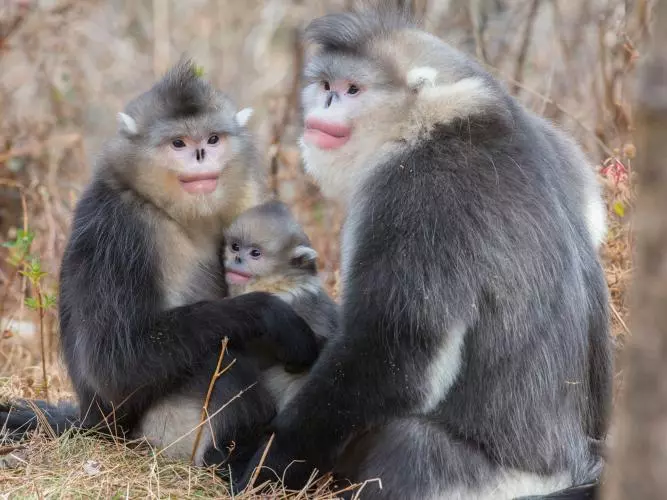
A family of three snub nosed monkeys - a large male next to a female with a baby

Why outdoing the neighbours may have led to male primates being bigger than females

View from a living room's corner window showing sky scrapers and tower blocks on a sunny day

Digital Exhibition Launch: Disobedient Buildings

A chimpanzee sitting in a nest looking up

Chimpanzees in the wettest part of Rwanda seem to plan ahead for bad weather

Student Research News

zhixin wan

Constructing Worth: Care, Usefulness, and the Moral Life of Disability in Urban China

View of a group from above - children are drawing around a mans hand

New research reveals hidden cognitive strengths in children growing up in adversity

a makeshift office with a red cross on the window and medicines displayed behind the desk.

Student's double prize-winning essay published

Impact and Engagement

Our research in the real world