
New research reveals hidden cognitive strengths in children growing up in adversity
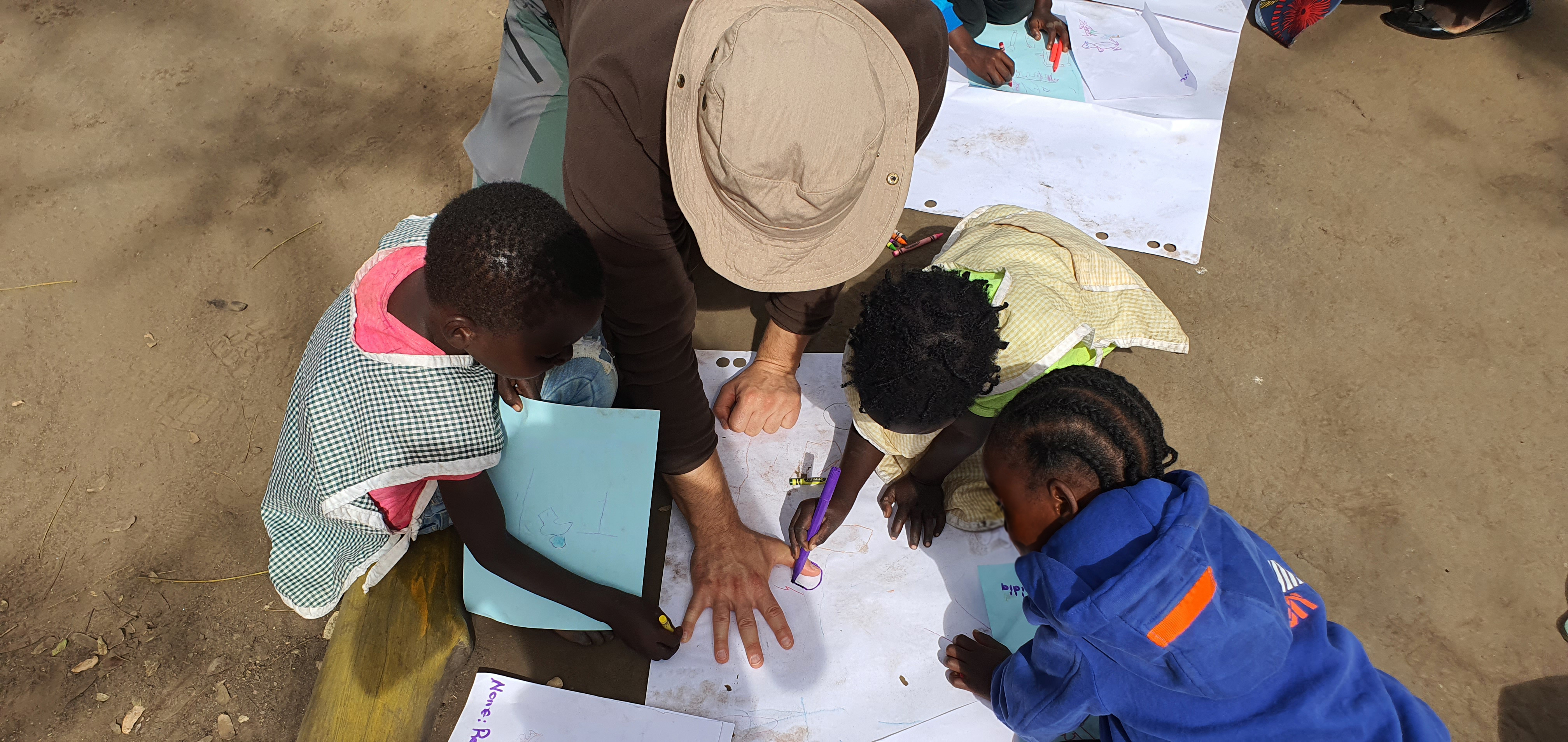
Gabriele in the field.Credit: Gabriele Paone
Most research into childhood adversity focuses on what children lose but two recent articles, based on doctoral research by Gabriele Paone, suggest the value of a different approach.
He used standard memory tasks, developed in Western settings, alongside tasks he adapted to focus on social memory. These new tasks revealed skills that conventional tests may miss.
Research in Naples, Italy
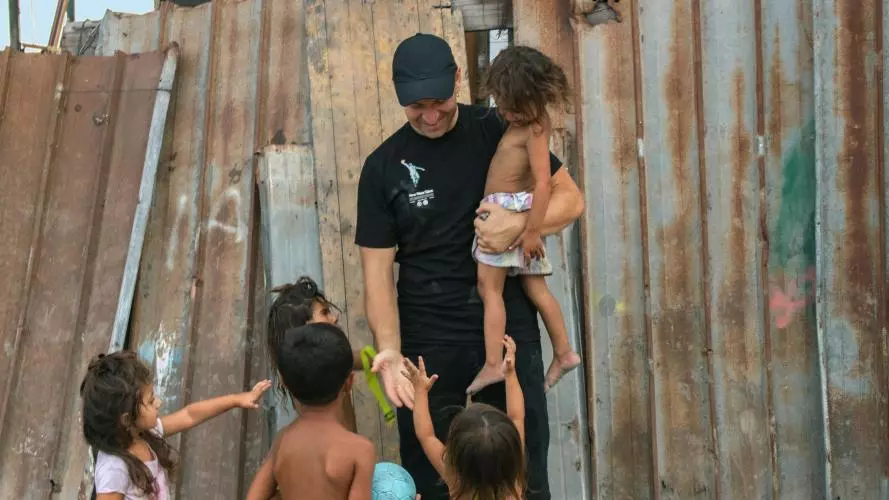
Working with children from Scampia, a severely deprived and crime-affected neighborhood in Naples, Italy, and children from Pozzuoli, a more stable and affluent nearby area Gabriele tested whether children from stressful environments might perform worse on standard abstract memory tasks, but perform better on memory tasks involving socially meaningful information. His study included 357 participants aged between 6-10.
In the first, abstract tests, contrary to expectations, Scampia children performed about the same as Pozzuoli children. There were no significant deficits despite major environmental adversity.
He then moved on to look at socially meaningful information - asking children to remember sequences of faces. Here the results changed significantly with Scampia children outperforming Pozzuoli children.
This may be because in dangerous or unpredictable environments, remembering people accurately could have real survival value.
Cognitive Science | April 2026
Urban and Rural Mozambique
In the second study the social memory study was replicated in Mozambique. Children from a more adverse rural environment, historically under paramilitary control, outperformed peers from a comparatively more stable setting on social memory tasks. This provides further evidence that adversity may shape cognitive development in different ways and supports the idea some children may develop context-sensitive strengths.
Cognitive Development | April 2026
The value of ethnography
For his doctoral research Gabriele spent 9 months in Naples conducting over 100 interviews and observing schools and communities. This provided rich context about poverty, organised crime, institutional neglect and social structures. This allowed cognitive performance to be interpreted in light of children's lived environments rather than as isolated test outcomes.
Why this matters
Together, these studies add to growing evidence that children growing up in harsh environments show not only deficits or resilience, they can also show strengths and cognitive advantages. These advantages may well be missed by traditional tests developed in Western settings focused on abstract tasks. Understanding this has real implications for education and is essential for building a more inclusive and accurate science of human development.
Gabriele PaoneRecognizing these “hidden talents” has implications beyond theory. It calls for greater attention to equity in cognitive assessment and education