Tackling real world problems

Our research tackles contemporary problems that do not respect conventional disciplinary boundaries. Our collaborative approach involves departments across the University and institutions around the world.

Research integrity is at our core and our work is guided by ethical frameworks and processes. Our commitment to diverse methods to help sustain our vibrant research culture.  

View all Current Research Projects

Research Projects Spotlight

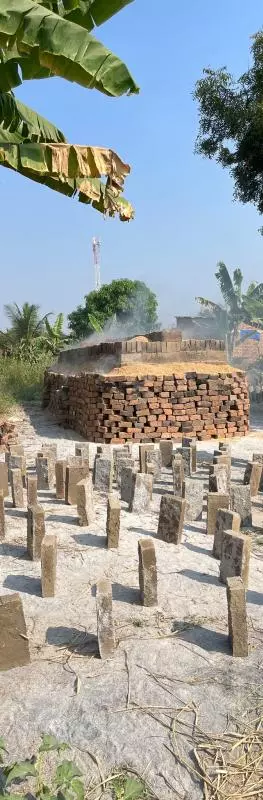
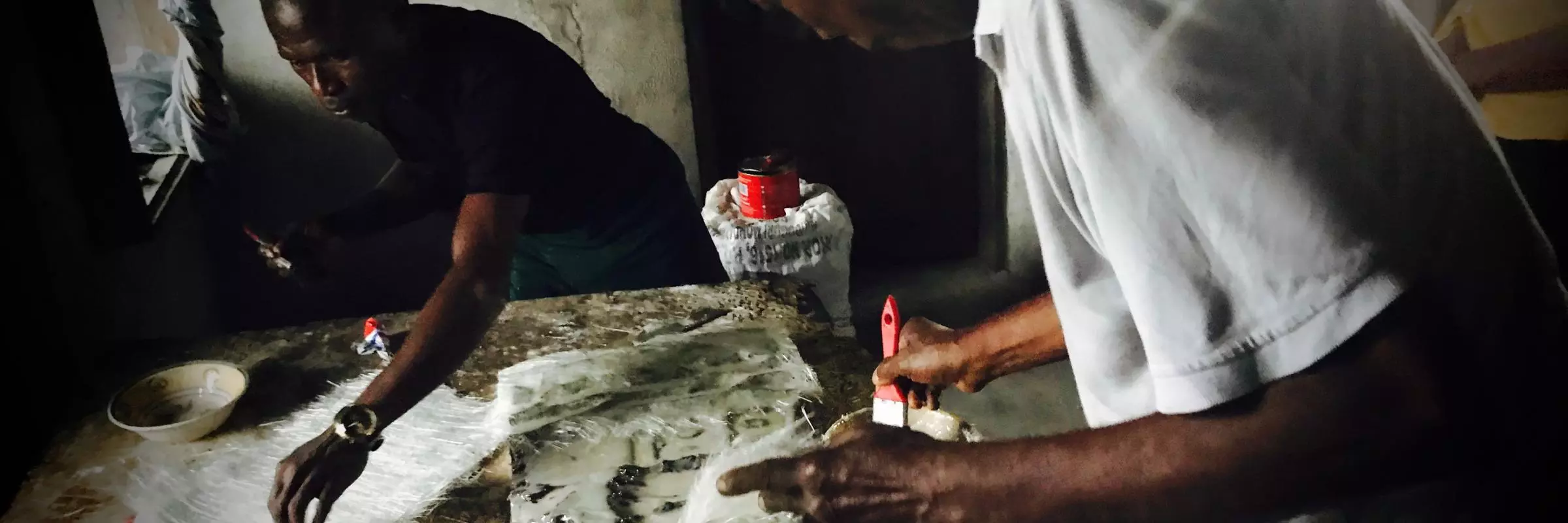
Bricks standing upright drying in the sun

Transforming the Humble Brick

Investigating how traditional earthen bricks can be used to help protect people against mosquito-borne diseases.
covid protests london

The Violent Extremism Lab

Understanding the psychology that leads to self-sacrificial violence 
disobedient buildings logo same

Disobedient Buildings

Exploring everyday lived experiences of inhabitants of ageing tower blocks in the UK, Romania and Norway.
cattle grazing by a flooded river with palm trees in background

Transboundary Resource Management

Climate change and resource scarcity threaten the well-being of millions of people around the world
ethno ornithology logo

The Ethno-ornithology World Atlas

A space for community-curated bird and ecological knowledge.
Histories of Oxford Anthropology Project logo

Histories of Oxford Anthropology Project

A student-led re-evaluation of the ‘hidden histories' of the department and what is relevant to it.


Postdoctoral Research In Focus  

Dr Arran Davis: exploring the relationship between poverty, loneliness, and a defensive symptom cluster

To play the video, you need to accept cookies for videos.

Evolutionary anthropologist Dr Arran Davis is interested in how social relationships affect human behaviour, health, and well-being. Here he describes recent work using the European Social Survey (around 25,000 responses from 20 countries) to examine how a defensive symptom cluster, characterized by pain, fatigue, and low mood, varies according to individuals’ social connections and socioeconomic status.

He found that this symptom cluster was more prevalent in lonely individuals, with particularly strong associations for individuals who were both lonely and experiencing poverty. He also found that people living on low incomes were especially at risk for feeling lonely. These findings highlight the important connections between human sociality, economic inequality, and health and will form the basis for future research projects.

Research News

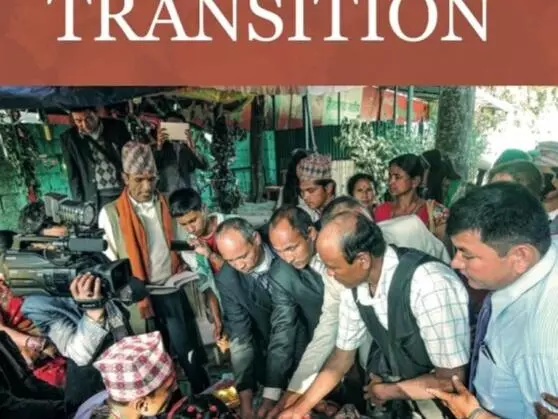
cover for Nepal's Dalits in Transition showing a wedding couple surrounded by guests

Book edited by David N. Gellner and Krishna P. Adhikari wins the Subedi Prize for the Study of Nepal

Nepal’s Dalits in Transition wins prize awarded by the Royal Asiatic Society London.
A view from an abandoned room over a water of aged cranes at sunset

Emptiness has moved in next door

New publication from a 5 year project shows how states in the former socialist world are emptying places by withdrawing statecraft and asserting sovereignty, with lessons for Europe as a whole.
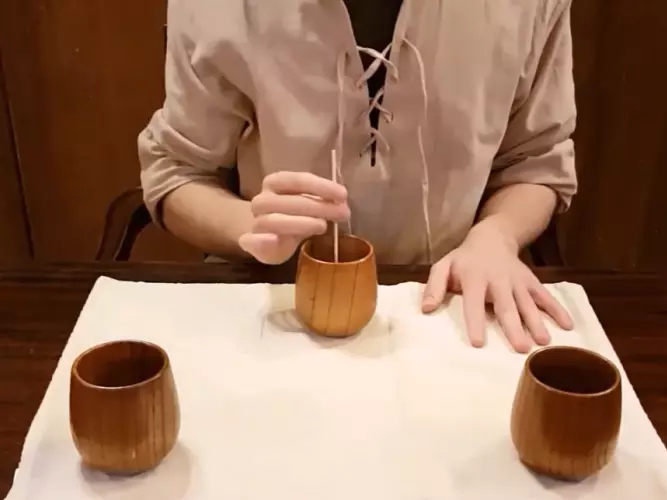
view showing the torso of a person in medieval dress at a table with wooden cups

Why do magic and ritual survive for centuries?

New study suggests feeling left out may be part of the answer
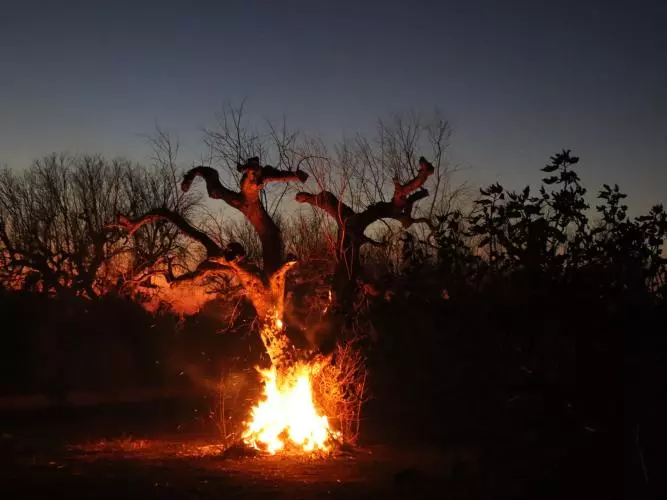
An ancient olive tree burning at dusk

Investigating “the worst phytosanitary epidemic in the world”

Dr Claudio Sopranzetti gains funding for his project Living through the Aftermath: Olive Tree Epidemic, Agrarian Knowledge, and the Politics of Environmental Repair in Southern Italy
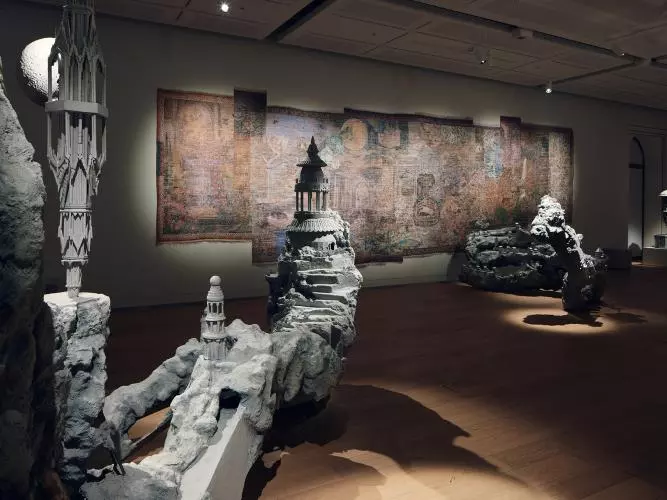
a view of the exhibition

On Paradise: Between Hope and Memory

New exhibition curated by Professor Paul Basu

Student Research News

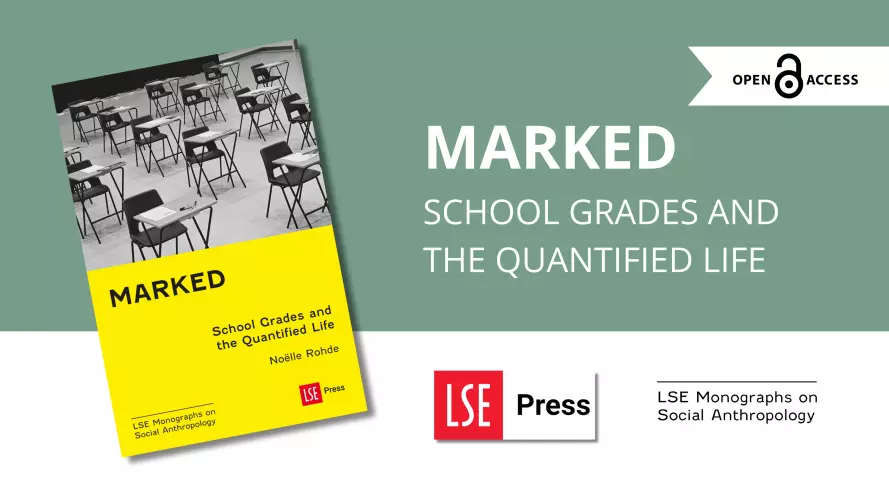
Cover of marked showing a room set up for exams

From Thesis to Book

Noëlle Rohde winner of the Professor David Parkin Prize for the use of ethnographic methods.
zhixin wan

Constructing Worth: Care, Usefulness, and the Moral Life of Disability in Urban China

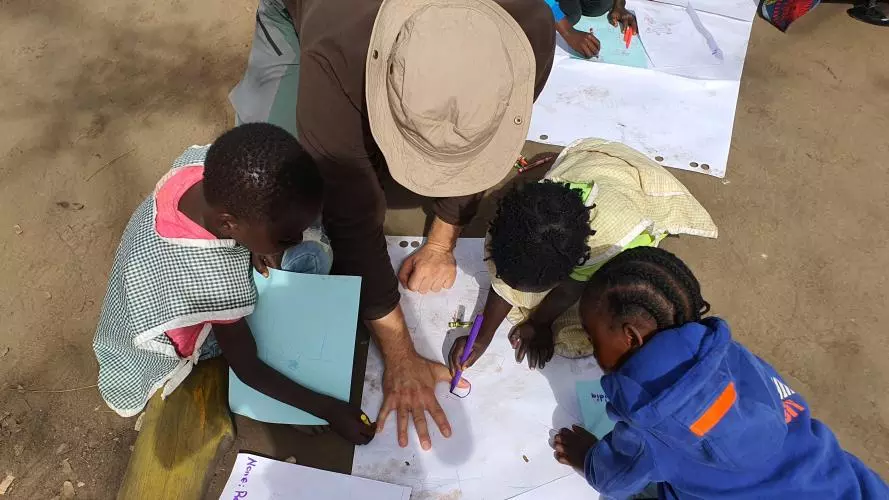
View of a group from above - children are drawing around a mans hand

New research reveals hidden cognitive strengths in children growing up in adversity

Impact and Engagement

Our research in the real world