
A tale of two crops: New research into disease stigma in Colombia's borderlands
'Agrarian Counterpoint', is a new article by Javier Lezaun, Associate Professor and Director of the Institute for Science, Innovation and Society (InSIS) and Lina Pinto-García, Research Associate at InSIS, published in American Ethnologist. The article examines how cutaneous leishmaniasis - a sandfly-borne disease that causes chronic skin lesions - takes on very different meanings across coca- and coffee-growing areas in the northeast of Colombia. By tracing this contrast, the article explores how agrarian economies shape not only disease risk, but also stigma, visibility, and the very recognition of suffering.
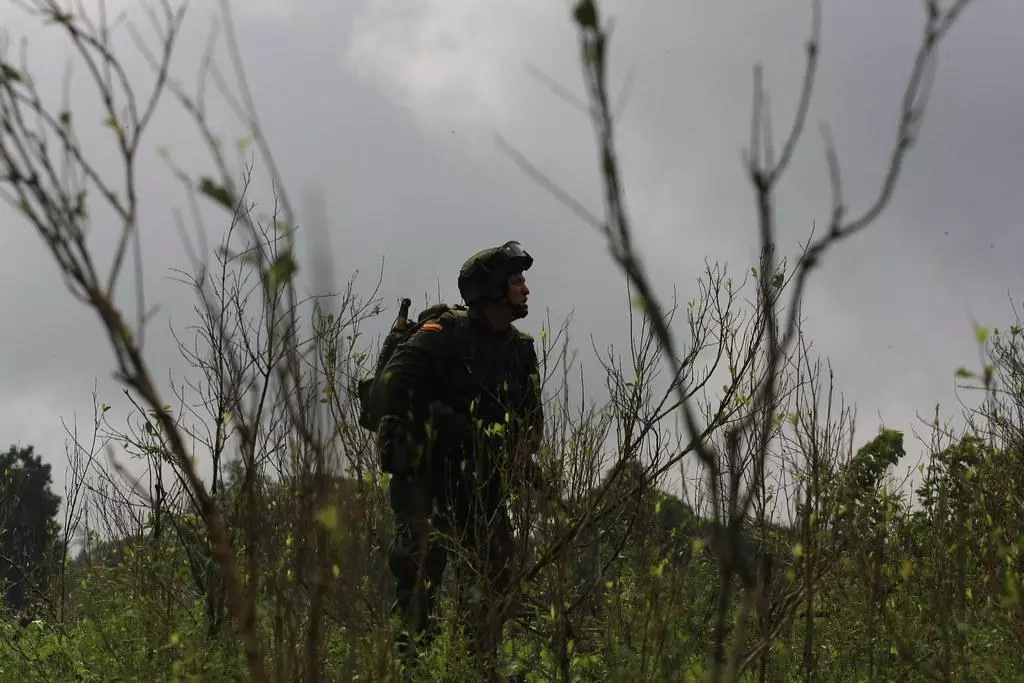
In coca-growing areas, leishmaniasis is driven underground as yet another marker of criminality, while just a few miles away, it is surfaced as an occupational hazard deserving professional attention and environmental sanitation.
Grounded in ethnographic fieldwork in Norte de Santander, Colombia, between the article brings together individual stories that show how stigma, poverty, migration, and conflict shape experiences of disease. It highlights the difficulty residents in coca growing areas face in making their symptoms and suffering visible to health professionals through official channels and contrasts that with experiences of residents in coffee growing areas.
This publication is part of Diseased Landscapes/Paisajes Enfermizos, a collaboration between the Institute for Science, Innovation and Society (InSIS) and the Center for Interdisciplinary Studies of Development (CIDER) at the Universidad de los Andes in Colombia. Funded by the British Academy, the project explores the connections between agricultural labour and the risk of vector-borne diseases in areas characterised by illicit economies and armed conflict. In addition to academic publications, the project is developing community-specific policy recommendations to address leishmaniasis in rural areas of Colombia.