
Why do some chimpanzee mothers carry their dead infants for months?
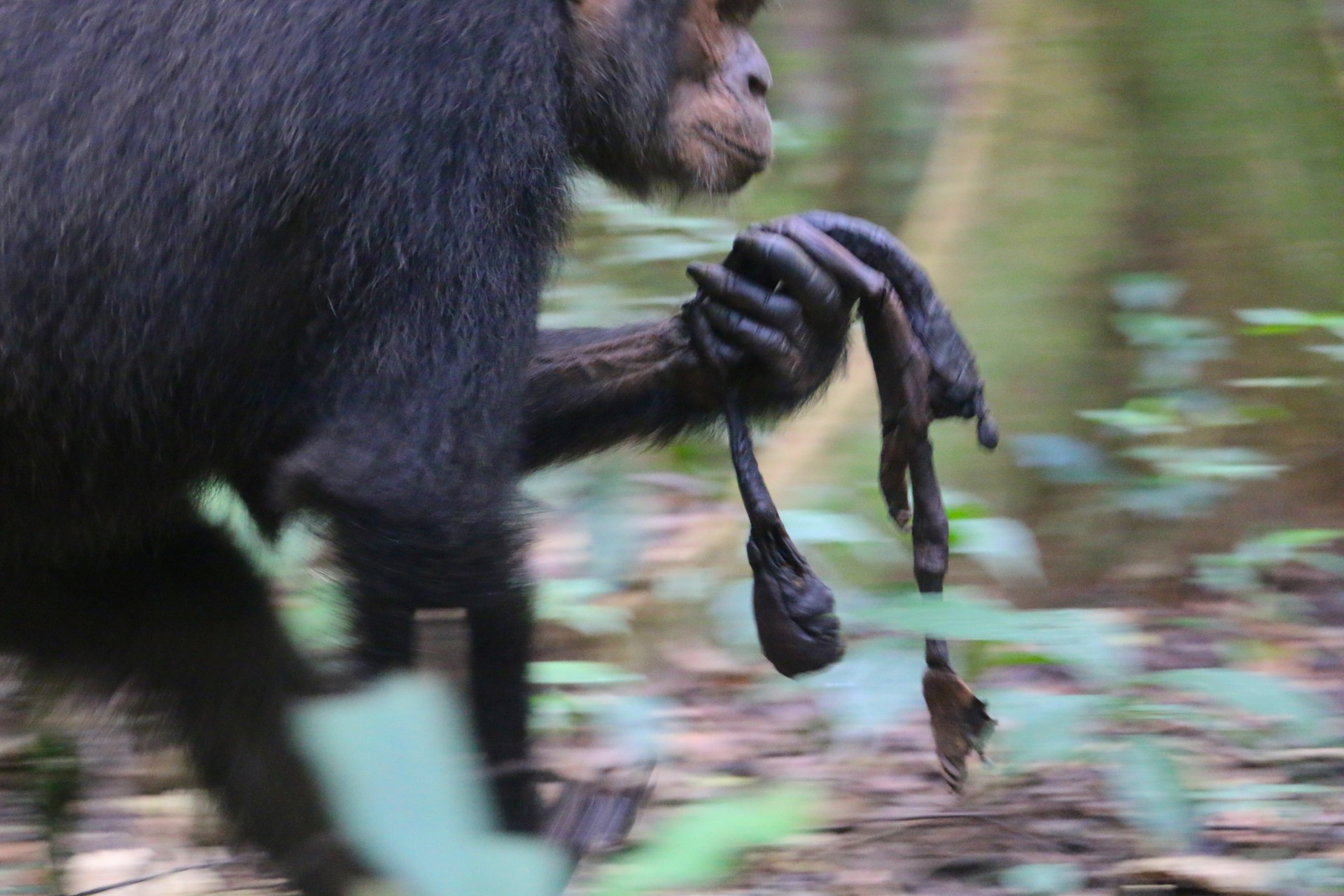
A chimpanzee mother with the mummified remains of an infant chimpanzee.Dr Elodie Freymann.
New University of Oxford research, published in Biology Letters, finds that carrying is likely driven by the strong bond between chimpanzee mothers and their offspring and that the cause of an infant’s death is the most consistent explanation for how long its mother carries it. Importantly, these patterns need not mean mothers recognise death as final.
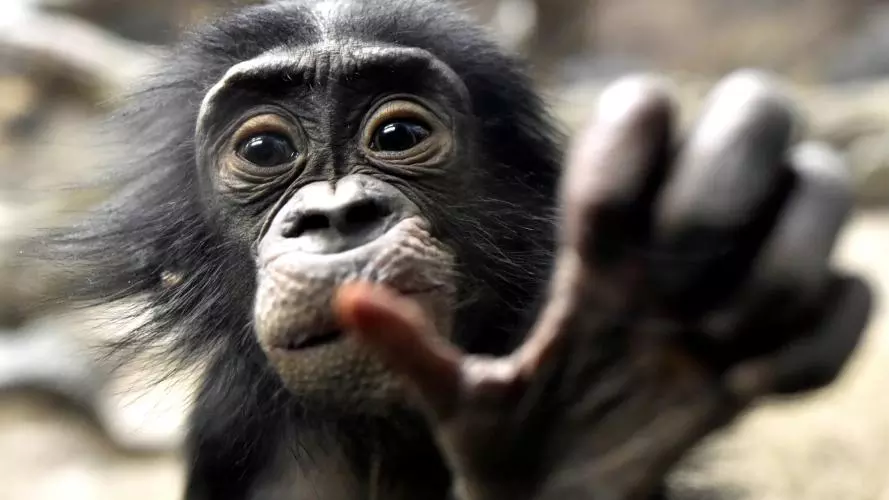
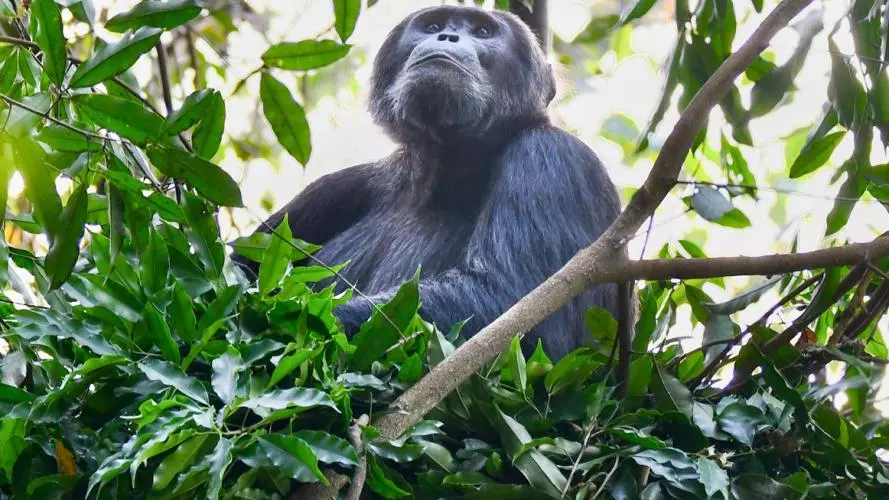
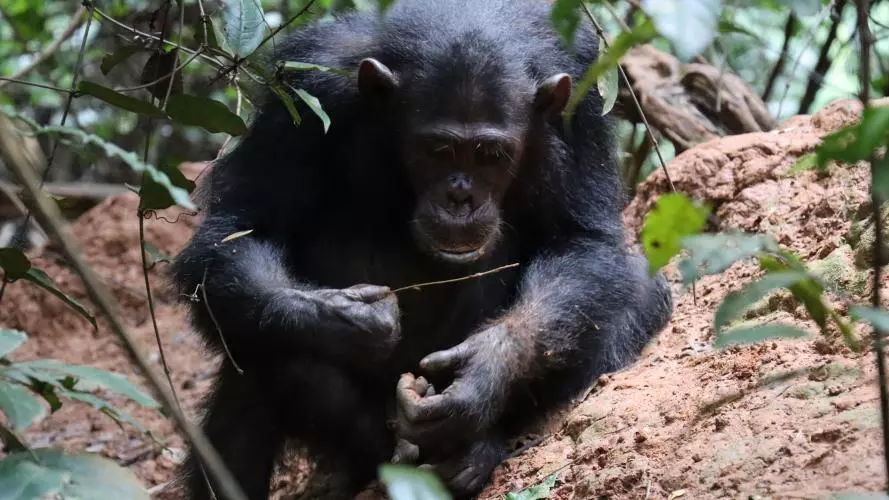
Chimpanzee and bonobo mothers sometimes continue to carry their infants after they have died, a behaviour known as infant corpse carrying (ICC). It is widely documented, and many explanations have been proposed, but few have been quantitatively tested.
The research found that infants that were older when they died, and therefore more closely bonded with their mother, were carried for longer than younger infants and that infants who died from disease were carried for longer than those that died through infanticide.
The study brought together data from 83 published cases of ICC across 15 different sites. The cases document mothers that carried their dead infants for only about 30 minutes, through to periods as long as 126 days. The average ICC duration was about 11 days.
Chimpanzees and bonobos are our closest living relatives. Most experts think our last common ancestor lived between 6 and 8 million years ago, and studying death-related behaviours in these species may provide key insights into the evolutionary origins of human responses to death.
The study was carried out by doctoral candidate Reece Hammond and Dr Thomas A. Püschel, Wendy James Associate Professor in Evolutionary Anthropology, both at Oxford’s School of Anthropology and Museum Ethnography. Rather than observing one group of chimpanzees, they brought together cases from across the published literature.
Reece Hammond“By bringing together a large multisite sample of ICC cases from 15 distinct sites we can draw species-level generalisable conclusions about the behaviour: this is something that cannot be done by using cases from just one site or subspecies. This means that our findings can be used to make inferences as to the evolution of death related behaviour in humans after we diverged from chimpanzees some 6-8 million years ago.”
They tested the data against nine hypotheses for the length of ICC. These included the mother’s age and maternal experience, the sex of the infant, and whether the behaviour is learned by watching other mothers. The results revealed four credible predictors of longer durations of ICC:
- Cause of death – infants that died from disease were carried for longer than those that died through infanticide. No other cause-of-death category showed a credible difference from infanticide.
- Maternal bond – older infants tended to be carried for longer
- Maternal investment – sites with longer average intervals between births tended to show longer durations of ICC
- Temperature – bouts of ICC tended to last longer during cooler periods
The finding that older infants, who the carrying mother is more closely bonded to, are carried for longer suggests that the strong social bond between chimpanzee mothers and their infants drives ICC. The importance of maternal factors in driving the behaviour is also supported by the finding that mothers carry for longer at sites with longer average intervals between births.
However, of these factors, cause of death was the most consistent predictor. The strong association between disease-related infant deaths and prolonged periods of ICC supports the ‘cause of death’ hypothesis, which proposes that infants who die from disease are carried for longer than those who die from traumatic causes such as infanticide, because their death may be more ambiguous to the mother. This assumes that chimpanzees can recognise death, a capacity which has yet to be scientifically demonstrated. However, things may not be so simple. In multiple cases, chimpanzee mothers have continued to carry their infants well beyond the point of mummification, a condition that probably provides a clear and persistent signal of death.
"Our findings show that we don’t need to assume that chimpanzee and bonobo mothers understand death as irreversible to explain how long they carry their dead infants. The patterns can be explained by the persistence of maternal behaviour and by social, life-history and environmental factors, but importantly, that does not mean these animals are incapable of recognising death."

Comparing how chimpanzees and bonobos respond to death with our own responses is informative about where human ideas of death came from. If death recognition is not needed to explain the behaviour in chimpanzees and bonobos, some of the complex cognitive frameworks required to recognise death’s finality may have emerged in the hominin lineage after our last common ancestor.
The article is available in Biology Letters: Multisite analysis of infant corpse carrying in Pan reveals maternal attachment and death context as explanations of carrying duration